
Contact Now Via WhatsApp (+961 76784268)

Email: INFO@TOURBEIRUT.COM
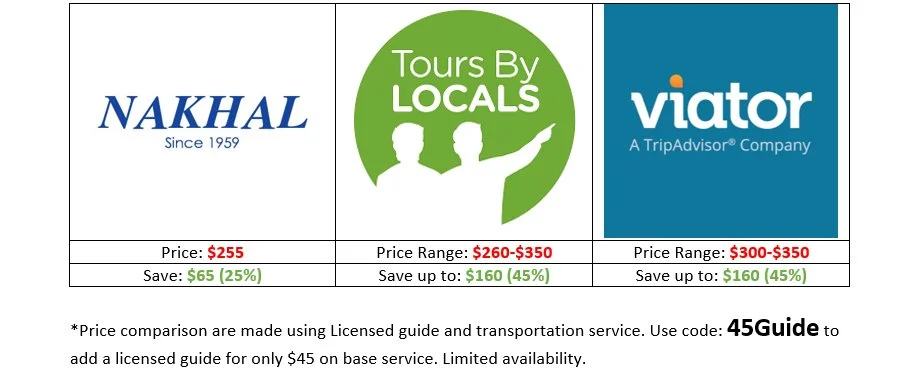
This offer by Tour Beirut is the lowest price guaranteed as compared below:
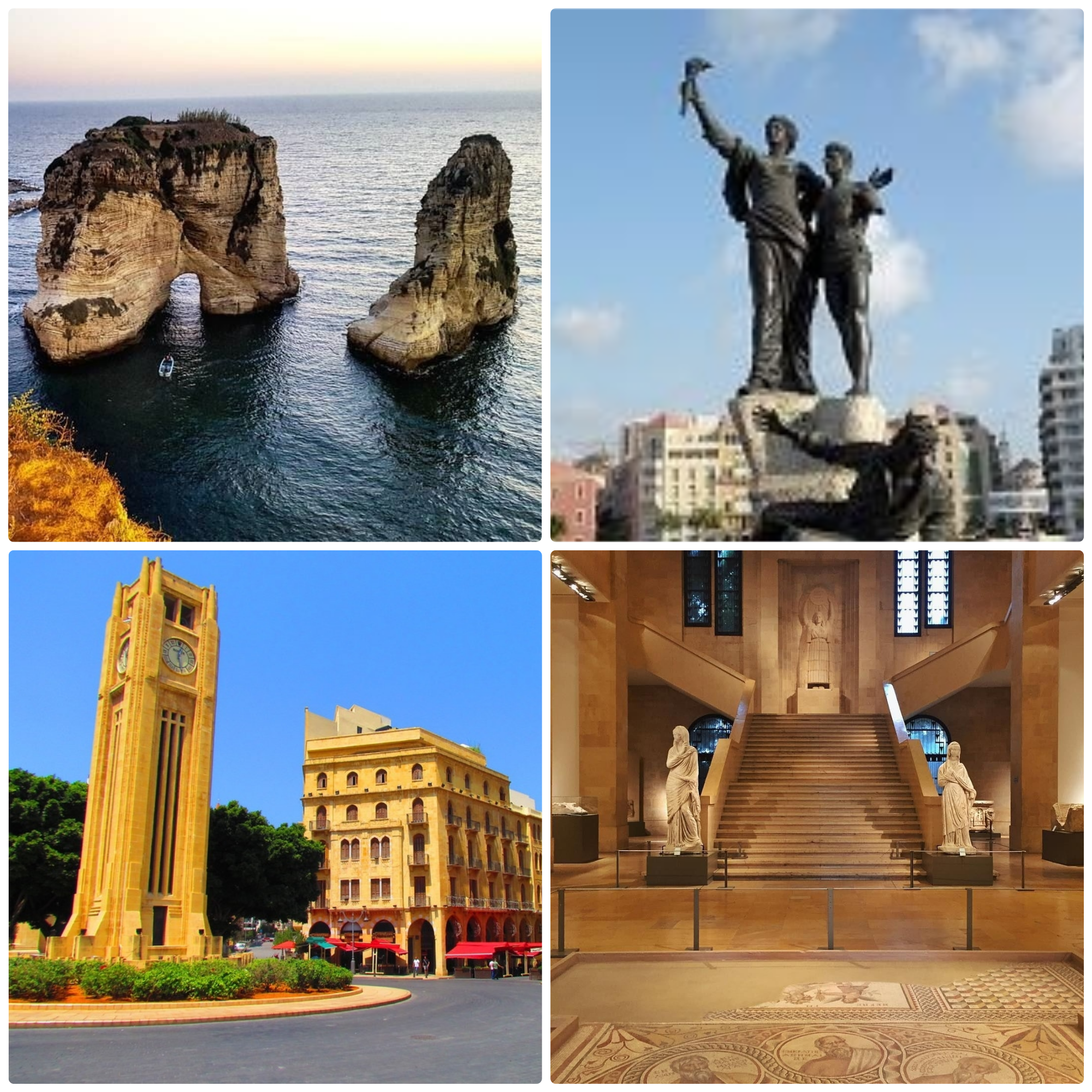
Our next destination is the downtown. This part of our tour is done by foot. We will visit the Blue mosque, and three churches (Marinote, Greek Orthodox, and Catholic Churches). Next we will see the roman baths and walk past the downtown shops.
Our next stop is Zaitunay Bay followed by our stop to a busy commercial street called Hamra. There you will have the opportunity to buy souvenirs as well as enjoy lunch at one of Beirut's most recommended resto-cafe's
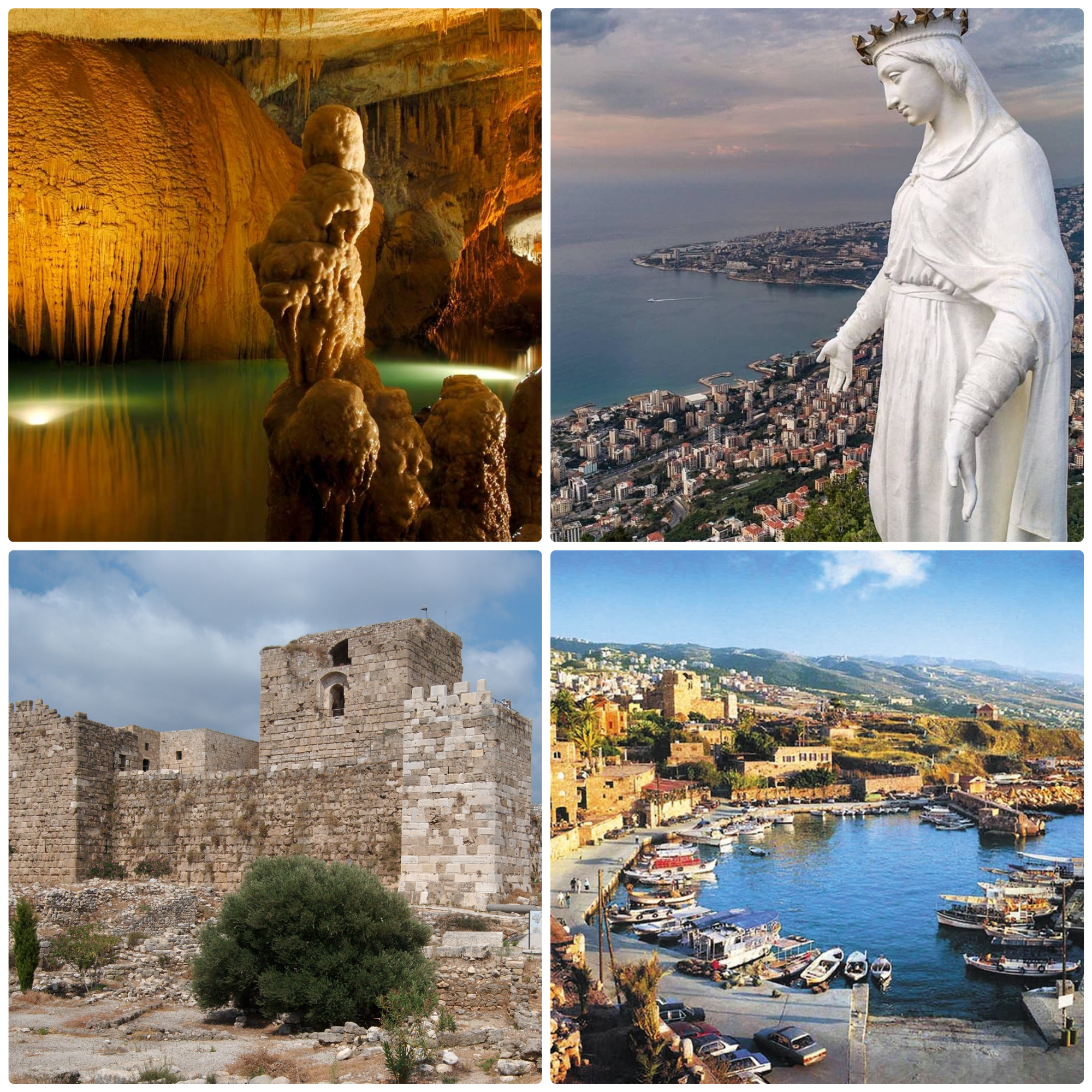
The Jeita upper cave has 750 metres (2, 460 ft) of accessible walk-way, known for having the longest stalactite in the world. After visiting the upper caves, you then take a small boat-ride in the lower caves; a truly unique experience.
We then move on to the telephrique, a cable-car ride that takes you to Harissa, Where Our Lady of Lebanon sits. Our Lady of Lebanon is one of the most important shrines in the world honoring the Virgin Mary. The shrine is highlighted by a huge, 15-ton bronze statue of the virgin.
Our last stop: Byblos. It is one of the oldest continuously inhabited city in the world (8,000 + years). It is a UNESCO World Heritage Site. Astonishingly having survived the Phoenicians, Romans, the crusades, and Ottomans. The city charms visitors: from its Souqs(markets) to its magnificent harbor, Crusader castle, and sea-side promenade.
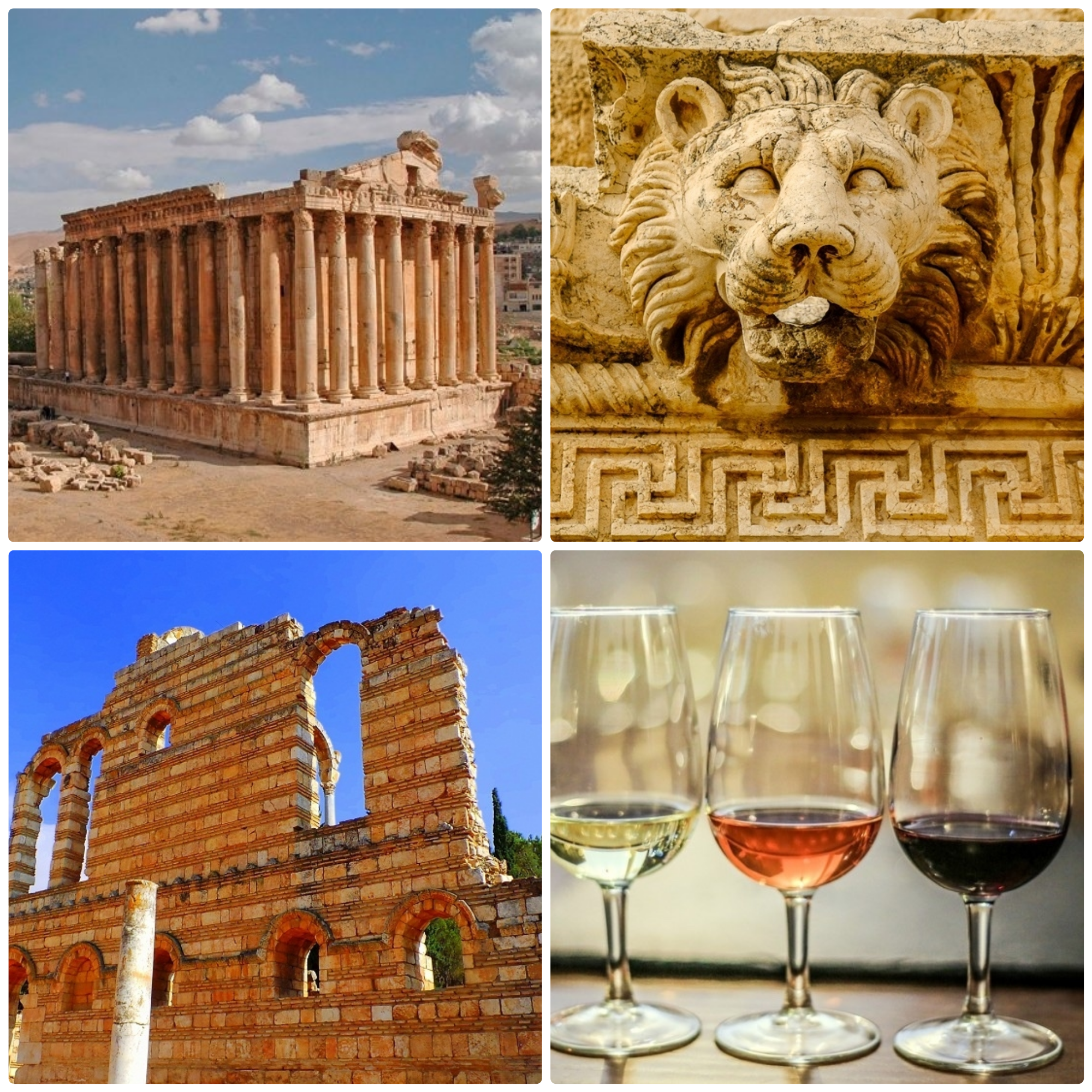
The temples were built starting the first century BC and are UNESCO world heritage site.
Our next stop is Anjar, where we will have lunch at the popular Al-shams restaurant, indulging in fine Lebanese Cuisine. In Anjar we will also see the 8th century ruins of an umayyad palace. The ruins of Anjar is also a UNESCO world heritage site. You will be able to buy souvenirs from a small shop outside the ruins.
Our last stop is Chateau Ksara, Lebanon's Largest winery. The caves, now used to store their wine was discovered by accident by the Jesuites (French missionaries) when chasing a fox that has been eating their livestock.
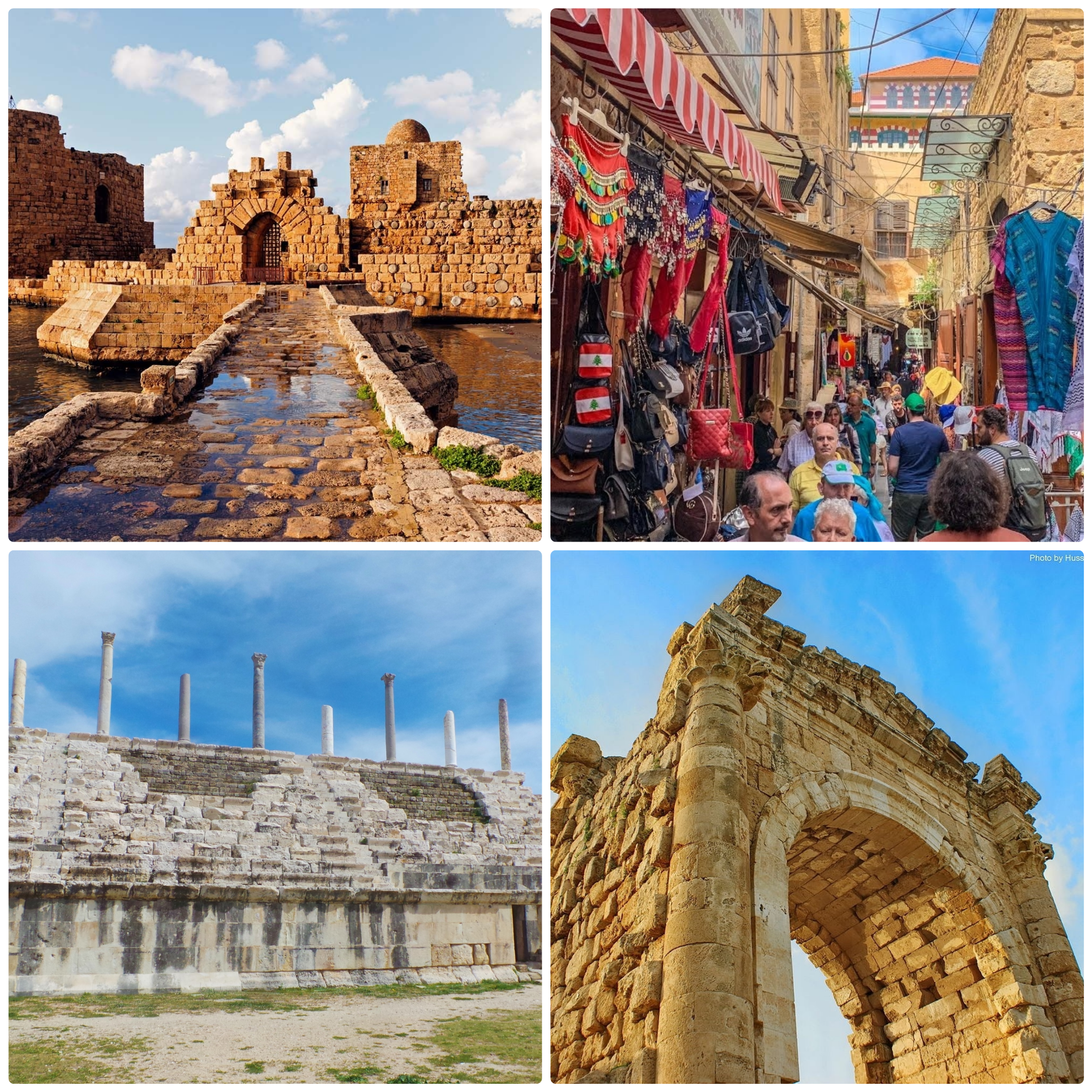
During the 13th century, the Crusaders built Sidon's Sea Castle as a fortress on a small island connected to the mainland by a narrow 80m long roadway. The island was formerly the site of a temple dedicated to Melqart (the Phoenician version of Hercules). The beauty of the Castle can be seen in old illustrations of it; however, after bearing several wars, it has been damaged and renovated several times. It was partially destroyed by the Mamluks when they took over the city from the Crusaders, but they subsequently rebuilt it and added the long causeway. The castle later fell into disuse, but was again restored in the 17th century by Emir Fakhreddine II, only to suffer great damage.
The main street near the crusader castle is full of small shops, cafes, sea-shell crafts. In the old souq (marketplace) you will find shops of all sorts in narrow intricate and inter-connected alleyways. You will visit a soap museum which displays an important piece of Sidon's heritage as a coastal city. Sidon gained fame for their soap and sponge.
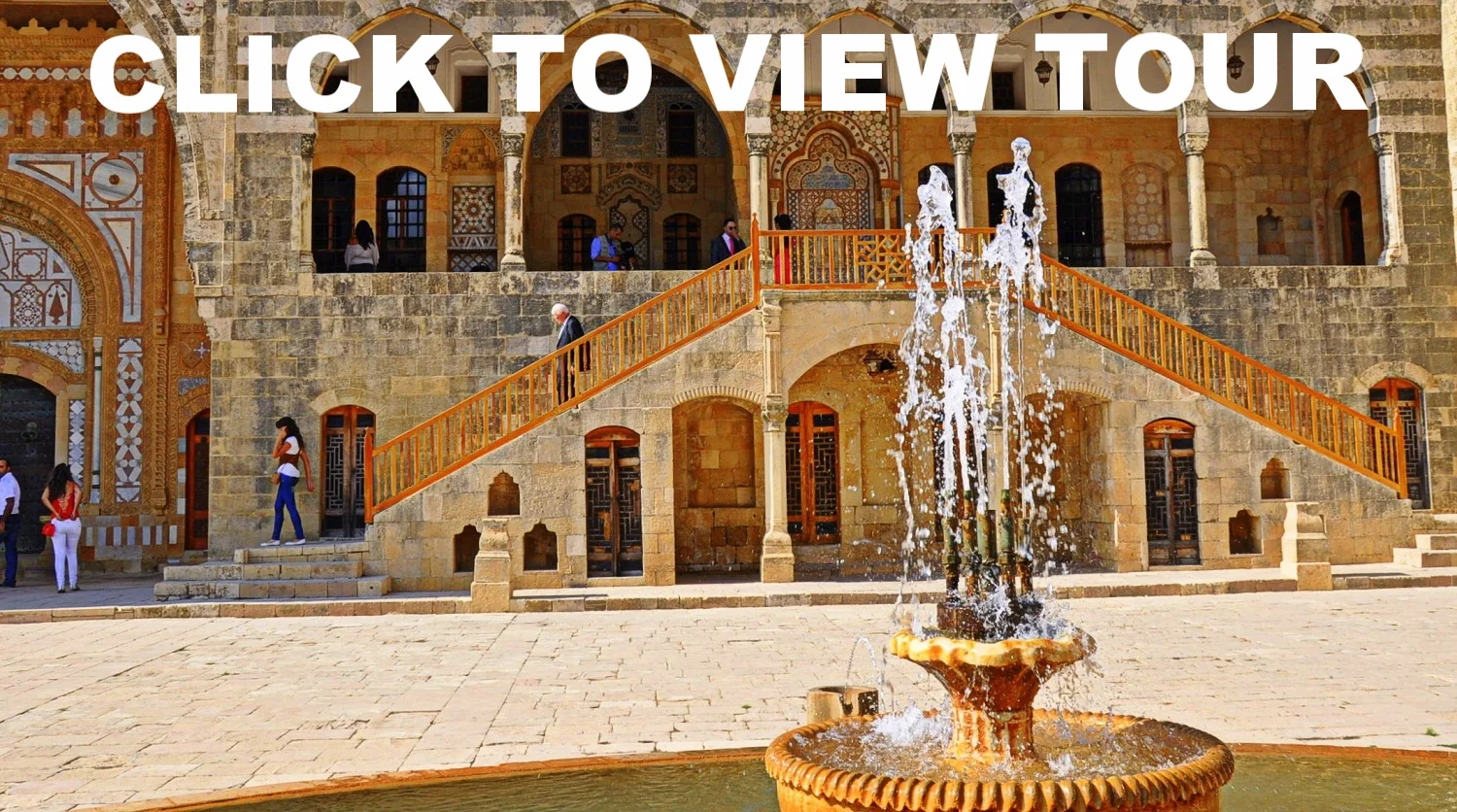
Our next stop is Tyre, we will visit first the Hippodrome and the necropolis at the main archeological site, followed by the secondary sea-side site. In ancient times, the island-city of Tyre was heavily fortified and the mainland settlement, originally called Ushu(later called Palaetyrus, meaning "Old Tyre," by the ancient Greeks) was actually more like a line of suburbs than any one city and was used primarily as a source of water and timber for the main island city. The two fought against each other on occasion, but most of the time, they supported one another because they both benefited from the island city's wealth from maritime trade and the mainland area's source of timber, water and burial grounds.

AIRPORT TRANSFERS
ANY DAY ANY TIME
AIRPORT PICK-UP $30
AIRPORT DROP-OFF $25
PICK-UP + DROP-OFF $50
(1-4 PAX)



